
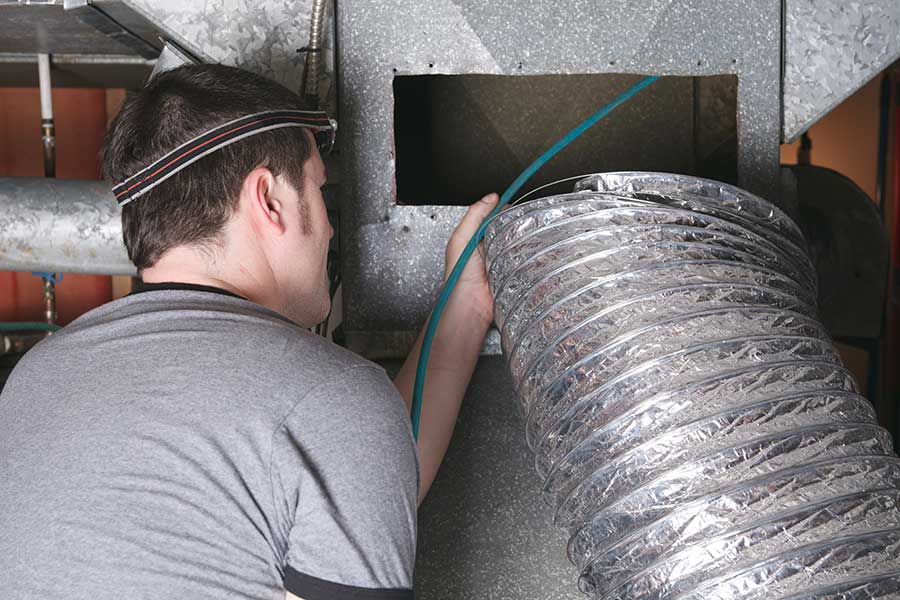
Air duct sanitizing is generally not necessary for most homes. In many cases, proper mechanical duct cleaning, regular filter replacement, moisture control, and good HVAC maintenance are more important than applying chemicals inside the duct system.
Sanitizing may be appropriate in specific situations, such as visible mould growth on hard duct surfaces, confirmed pest contamination, persistent odours after cleaning, or certain post-remediation conditions. However, it should not be presented as a routine requirement for every home.
This guide explains what air duct sanitizing actually means, how it differs from duct cleaning, when it may be useful, when it is usually unnecessary, and how homeowners can avoid paying for services they do not need.
Quick Answer: Do Air Ducts Need to Be Sanitized?
Most residential air ducts do not need routine sanitizing. Air duct sanitizing may be considered only when there is a specific contamination concern, such as visible mould, pest debris, water damage, or persistent odours after proper cleaning. Sanitizing should never replace mechanical duct cleaning because it does not remove dust, debris, pet hair, construction particles, or buildup from the duct system.
| Situation | Is Sanitizing Usually Needed? | Better First Step |
|---|---|---|
| Normal household dust in ducts | No | Professional duct cleaning if buildup is visible |
| Visible mould-like growth | Possibly | Identify and fix the moisture source first |
| After pest infestation | Possibly | Resolve pest issue, then clean ducts |
| Musty odour from vents | Sometimes | Inspect ducts, HVAC, moisture, and filters |
| After renovation dust | Usually no | Mechanical cleaning to remove debris |
| As a routine yearly add-on | No | Change filters and inspect the system |
What Air Duct Sanitizing Actually Means
Air duct sanitizing usually refers to applying a chemical treatment inside the duct system after cleaning. The purpose is to reduce certain bacteria, mould spores, odour-causing organisms, or biological contamination that may remain on surfaces.
This is different from professional duct cleaning services. Duct cleaning is a mechanical process that removes dust, debris, pet hair, lint, renovation particles, and buildup from the ductwork. Sanitizing is a chemical process that treats surfaces after the material has already been removed.
That distinction matters. Sanitizing does not remove dust. It does not open blocked ducts. It does not improve airflow by itself. It does not fix moisture problems, pest problems, dirty filters, or HVAC mechanical issues.
Air Duct Cleaning vs. Air Duct Sanitizing
| Service | What It Does | What It Does Not Do |
|---|---|---|
| Air duct cleaning | Physically removes dust, debris, pet hair, and buildup from ducts | Does not disinfect or correct moisture problems by itself |
| Air duct sanitizing | Applies a treatment to reduce certain surface contaminants or odours | Does not remove debris or replace cleaning |
| HVAC maintenance | Checks equipment, filters, airflow, and system performance | Does not necessarily clean the full duct system |
| Moisture remediation | Fixes the source of water, condensation, or mould-supporting conditions | Does not automatically remove duct debris |
For most homes, the priority should be inspection first, cleaning when needed, and sanitizing only if there is a clear reason.
Why Sanitizing Is Often Marketed as “Essential”
Air duct sanitizing is often sold as an upgrade because the word sounds reassuring. Homeowners hear terms like “sanitize,” “disinfect,” “kill germs,” or “improve air quality” and assume the treatment must be important.
In reality, most homes do not need chemical treatment inside the ductwork. Dust alone is not a reason to sanitize. Renovation dust usually requires cleaning, not sanitizing. A dusty home may need better filtration, sealing, cleaning habits, or HVAC maintenance — not necessarily chemicals inside the ducts.
This is why homeowners should be careful with companies that automatically add sanitizing to every duct cleaning package. A reputable company should explain why sanitizing is being recommended and what evidence supports it.
For more guidance on avoiding unnecessary services, read our guide on how to choose a reputable duct cleaning company.
When Air Duct Sanitizing May Be Appropriate
Air duct sanitizing may be considered when there is a specific contamination concern, not simply as routine maintenance.
Possible situations include:
- visible mould-like growth on hard duct surfaces;
- confirmed pest contamination inside the ductwork;
- persistent musty odours after proper cleaning;
- water damage that affected duct materials;
- post-remediation situations where a professional recommends treatment;
- biological contamination concerns that have been properly investigated.
Even in these cases, sanitizing should usually happen only after mechanical cleaning. Treating dirty ducts without removing the buildup first is not a proper solution.
When Air Duct Sanitizing Is Usually Not Necessary
For most homes, air duct sanitizing is not needed when the duct system is dry, intact, and free of visible mould, pests, water damage, or serious odour problems.
Sanitizing is usually not necessary for:
- normal household dust;
- routine annual maintenance;
- post-renovation dust without biological contamination;
- general allergy concerns without visible contamination;
- homes where the real issue is poor filtration;
- odours caused by pets, cooking, smoke, or humidity outside the duct system.
If the issue is ordinary dust or debris, cleaning the air ducts may be more relevant than sanitizing. If the issue is indoor comfort or stale air, the broader topic of air quality and health should also be considered.
Why Cleaning Should Come Before Sanitizing
Sanitizing should not be used to cover up dirty ductwork. If the duct system contains dust, pet hair, renovation debris, or other buildup, that material should be physically removed first.
Applying a sanitizer over dirty surfaces can reduce the effectiveness of the treatment and may create a false sense of security. The ducts may smell temporarily fresher, but the underlying material remains inside the system.
Proper cleaning focuses on removing the source of buildup. Sanitizing, when appropriate, is only a secondary step.
Potential Risks of Unnecessary Sanitizing
Using chemical treatments inside ductwork without a clear need can create problems. Some occupants may be sensitive to odours, disinfectants, biocides, or residues, especially people with asthma, allergies, respiratory sensitivities, young children, or older adults.
Possible concerns include:
- unnecessary chemical exposure;
- temporary odours from treatment products;
- irritation for sensitive occupants;
- damage to some duct liners or insulation materials if the wrong product is used;
- poor results if moisture or contamination sources are not corrected;
- paying for an add-on that provides little benefit.
Sanitizing should be based on inspection and conditions inside the system, not fear-based sales language.
What the EPA Says About Duct Cleaning and Chemical Treatments
The U.S. Environmental Protection Agency does not recommend duct cleaning as a routine service for every home. It suggests considering duct cleaning when there is substantial visible mould growth, ducts are infested with vermin, or ducts are clogged with excessive dust and debris. The EPA also advises caution with chemical biocides and sealants inside duct systems.
This does not mean duct cleaning is never useful. It means homeowners should make decisions based on visible conditions, contamination concerns, and the actual state of the HVAC system — not automatic upsells.
What About Mould in Air Ducts?
Mould concerns should be handled carefully. If mould-like growth is visible in ducts or HVAC components, the first step is to identify the moisture source. Without fixing the moisture problem, mould may return even after cleaning or sanitizing.
Common moisture sources include:
- condensation inside ductwork;
- leaks near HVAC equipment;
- poor drainage around cooling coils;
- high indoor humidity;
- water damage near ducts or mechanical rooms;
- poor insulation around ducts in cold or humid spaces.
In some cases, professional mould assessment or HVAC inspection may be needed before deciding whether duct sanitizing is appropriate.
What About Odours From the Vents?
Odours from vents do not automatically mean the ducts need sanitizing. Odours can come from many sources, including moisture, pets, cooking, smoke, old filters, dirty HVAC components, pests, or air being pulled from basements, crawlspaces, garages, or wall cavities.
Before sanitizing, it is better to ask:
- Does the odour happen only when the HVAC system runs?
- Is the filter clean and properly installed?
- Is there visible dust or debris inside the vents?
- Are there signs of moisture or mould?
- Has there been pest activity?
- Are return vents pulling air from dusty or damp areas?
If odours are connected to dust, debris, or contamination inside the ductwork, cleaning may help. Sanitizing may be considered only if the odour remains after the actual source has been addressed.
Residential vs. Commercial Air Duct Sanitizing
Commercial buildings may have more complex indoor air quality needs than homes. Offices, clinics, retail spaces, schools, and shared workplaces may need a broader maintenance plan that includes ventilation review, filter schedules, HVAC inspections, duct cleaning, and sometimes targeted treatment after contamination events.
| Residential Homes | Commercial Buildings |
|---|---|
| Sanitizing is usually not needed unless there is a clear issue | Sanitizing may be considered after specific contamination events |
| Common concerns include dust, pets, odours, renovations, and moisture | Common concerns include occupancy, ventilation, odours, maintenance schedules, and IAQ complaints |
| Inspection and cleaning usually come first | Commercial IAQ concerns may require documentation and professional review |
| Homeowners should avoid automatic chemical upsells | Property managers should base decisions on building conditions and occupant concerns |
For businesses, commercial duct cleaning services in Toronto may be more relevant than routine sanitizing, especially when the goal is removing dust and debris from the HVAC air pathway.
How to Decide What Your Home Actually Needs
The decision to sanitize should be based on evidence, not assumptions. Before approving sanitizing, ask the company to explain what they found and why a chemical treatment is being recommended.
Useful questions include:
- Is there visible mould, pest debris, or contamination inside the ducts?
- Was the source of moisture or contamination corrected?
- Will the ducts be mechanically cleaned before any treatment?
- What product will be used?
- Is the product appropriate for HVAC duct systems?
- Are occupants expected to leave the home during or after treatment?
- Are there children, seniors, pets, or respiratory-sensitive people in the home?
- What result should the homeowner realistically expect?
If the company cannot answer these questions clearly, it may be better to pause and get another opinion.
When to Call ComfortClean
If your ducts contain visible dust, debris, pet hair, renovation particles, stale odours, or signs of contamination, ComfortClean can inspect the situation and recommend the right level of service.
ComfortClean provides professional duct cleaning services for homeowners in Toronto and the GTA. Our focus is on removing buildup from the duct system and helping the HVAC system move air through a cleaner pathway.
Sanitizing is not something homeowners should feel pressured to buy automatically. When it is appropriate, it should be explained clearly and used only as a targeted step after cleaning.
Related ComfortClean resources:
- What Happens If You Don’t Clean Your Air Ducts?
- Air Quality and Health
- Sick Building Syndrome in Canada: Can Duct Cleaning Help?
- How to Avoid Duct Cleaning Scams
Frequently Asked Questions About Air Duct Sanitizing
Is air duct sanitizing really necessary?
Air duct sanitizing is not necessary for most homes. It may be considered only when there is a specific contamination concern, such as visible mould, pest debris, water damage, or persistent odours after cleaning.
Does sanitizing replace duct cleaning?
No. Sanitizing does not remove dust, debris, pet hair, renovation particles, or buildup from ductwork. Mechanical duct cleaning should come first if the ducts are dirty.
Can sanitizing improve indoor air quality?
Sanitizing alone usually does not improve indoor air quality. Indoor air quality depends on ventilation, filtration, humidity control, source control, HVAC maintenance, and the condition of the duct system.
Is duct sanitizing safe?
Duct sanitizing may be safe when the correct product is used properly in an appropriate situation. However, unnecessary chemical treatments may bother sensitive occupants or be unsuitable for some duct materials.
Should ducts be sanitized after mould?
Sanitizing may be considered after visible mould concerns are addressed, but the moisture source must be fixed first. If moisture remains, mould may return even after cleaning or treatment.
Should ducts be sanitized after pests?
Sanitizing may be considered after pest contamination, but pest control should be completed first. Then the ducts should be cleaned to remove debris before any treatment is considered.
Why do some duct cleaning companies push sanitizing?
Sanitizing is sometimes sold as an add-on because it sounds important. Homeowners should ask for evidence of contamination and a clear explanation before paying for chemical treatment inside ductwork.