
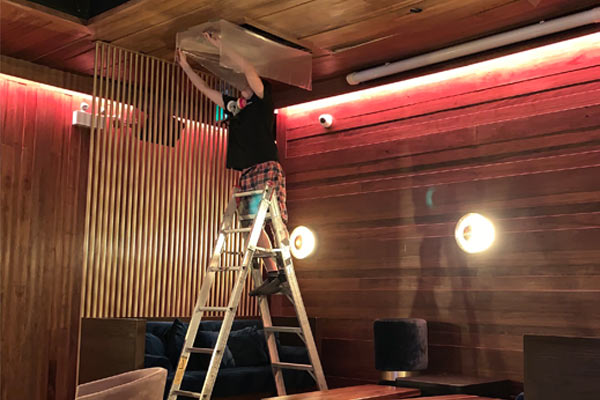
Starting a duct cleaning business can be a practical way to enter the home services market with relatively low startup costs and steady demand. Most homeowners and businesses need air duct cleaning every few years to maintain indoor air quality and HVAC efficiency, which creates consistent opportunities for repeat work.
In most cases, startup costs range from $3,000 to $15,000, while the average duct cleaning job brings in $300–$600 per home, depending on the system size and location. With a steady flow of clients, even a small operation can grow into a stable and profitable local business.
While experience with HVAC systems is helpful, many business owners start with basic training and build their skills over time. From what we’ve seen researching this niche, long-term success often depends more on consistent lead generation and service quality than on technical complexity.
This guide explains the key steps involved in starting a duct cleaning business, what new operators should understand before entering the industry, and why professionalism matters in this field.
Quick Answer: What Do You Need to Start a Duct Cleaning Business?
To start a duct cleaning business, you typically need business registration, insurance, training, proper duct cleaning equipment, transportation, safety procedures, a pricing model, a professional website, a Google Business Profile, and a plan for earning customer trust. You should also understand local regulations, HVAC system basics, and how to avoid misleading marketing or unnecessary upsells.
| Startup Area | What You Need | Why It Matters |
|---|---|---|
| Training | Duct cleaning and HVAC system knowledge | Helps prevent poor work and property damage |
| Equipment | Vacuum system, hoses, brushes, agitation tools, air tools | Proper cleaning requires more than basic household tools |
| Insurance | Liability coverage and worker protection if hiring staff | Protects the business and customers |
| Legal setup | Business registration, tax setup, local compliance | Helps operate professionally and legally |
| Marketing | Website, Google profile, reviews, local SEO, referrals | Brings in leads and builds credibility |
| Service quality | Clear process, honest pricing, before/after proof | Builds long-term reputation |
1. Understand What a Professional Duct Cleaning Business Actually Does
A duct cleaning business removes dust, debris, pet hair, renovation particles, and buildup from residential or commercial duct systems. In many homes, duct cleaning is connected to forced air heating and cooling systems, where the ductwork distributes heated or cooled air throughout the property.
Before starting this business, it is important to understand that duct cleaning is not the same as basic house cleaning. It involves HVAC components, airflow pathways, supply ducts, return ducts, vents, registers, and sometimes dryer vents or commercial ventilation systems.
If you are new to the industry, it is helpful to study how forced air heating and cooling systems work, because ductwork is the main pathway that moves air through many Canadian homes.
2. Get Proper Training Before Working in Customers’ Homes
Training is one of the most important steps. A duct cleaning technician should understand how duct systems are laid out, how to access vents and returns, how to use agitation tools, how to protect the home, and how to avoid damaging HVAC components.
Training should cover:
- basic HVAC system layout;
- supply and return ductwork;
- safe use of vacuum systems and air tools;
- how to protect floors, walls, furniture, and vents;
- how to identify visible dust, debris, moisture, or pest concerns;
- how to explain the process honestly to customers;
- when to recommend HVAC repair, pest control, or moisture investigation instead of cleaning alone.
Good training also helps a new business avoid overpromising. For example, duct cleaning can help remove buildup from the duct system, but it should not be marketed as a cure for allergies or a guaranteed fix for every indoor air quality concern.
3. Learn the Difference Between Cleaning, Sanitizing, and HVAC Repair
Customers often ask whether they need duct cleaning, duct sanitizing, dryer vent cleaning, or HVAC repair. A professional company should be able to explain the difference clearly.
| Service | What It Does | What It Does Not Do |
|---|---|---|
| Duct cleaning | Removes dust, debris, pet hair, and buildup from ductwork | Does not repair broken HVAC equipment |
| Duct sanitizing | Applies a treatment in specific contamination situations | Does not replace mechanical cleaning |
| Dryer vent cleaning | Removes lint buildup from dryer vent lines | Does not repair the dryer appliance itself |
| HVAC repair | Fixes furnace, AC, heat pump, blower, or mechanical issues | Does not automatically clean the duct system |
This distinction matters because unnecessary add-ons can damage customer trust. If you are unsure about sanitizing, review our guide: Is Air Duct Sanitizing Really Necessary?
4. Register the Business and Handle Legal Requirements
A duct cleaning business should be set up properly from the beginning. Requirements vary depending on location, so new operators should check local, provincial, and municipal rules before accepting customers.
Important setup steps may include:
- choosing a business name;
- registering the business;
- setting up a business bank account;
- understanding tax obligations;
- checking local licensing requirements;
- creating proper invoices and service agreements;
- keeping business and personal finances separate.
This article is not legal or financial advice. Anyone starting a business should confirm requirements with local authorities, an accountant, or a business advisor.
5. Get Proper Insurance
Duct cleaning companies work inside private homes and commercial properties. Technicians may move equipment through hallways, access vents, work around HVAC systems, and handle tools near finished surfaces. Insurance is essential.
Common insurance considerations include:
- commercial general liability insurance;
- vehicle insurance for work vans or trucks;
- equipment coverage;
- workers’ compensation coverage if hiring staff;
- coverage for accidental property damage.
Customers are more likely to trust a company that is properly insured and transparent about its professional standards.
6. Invest in the Right Duct Cleaning Equipment
Equipment is one of the biggest startup decisions. Professional duct cleaning requires tools that can create strong airflow, loosen debris, and remove material from the duct system safely.
Common equipment may include:
- portable or truck-mounted vacuum system;
- high-powered hoses;
- air whips and agitation tools;
- rotary brushes where appropriate;
- compressed air equipment;
- HEPA filtration equipment if needed;
- inspection cameras;
- vent and register tools;
- drop cloths and home protection materials;
- personal protective equipment.
ComfortClean uses professional-grade equipment for duct cleaning work. Customers often want to know that a company has more than a basic shop vacuum or small household tools. You can see how equipment is positioned on our duct cleaning equipment page.
7. Decide Whether to Serve Residential, Commercial, or Both
A new duct cleaning business should decide what type of customer it wants to serve. Residential duct cleaning and commercial duct cleaning can be very different in pricing, scheduling, equipment needs, and sales process.
| Residential Duct Cleaning | Commercial Duct Cleaning |
|---|---|
| Usually booked by homeowners | Often booked by property managers, building owners, or facility teams |
| Jobs are usually smaller and more frequent | Jobs can be larger and require more planning |
| Marketing often depends on local SEO, reviews, and referrals | Marketing often depends on outreach, relationships, documentation, and proposals |
| Common concerns include dust, pets, renovations, and indoor comfort | Common concerns include building maintenance, occupant comfort, IAQ complaints, and compliance expectations |
If you plan to work with offices, retail spaces, clinics, or property managers, study how commercial duct cleaning services in Toronto are positioned and explained.
8. Build a Clear Pricing Model
Pricing is one of the areas where many duct cleaning companies lose trust. Extremely low advertised prices often create suspicion because homeowners have seen many bait-and-switch offers in this industry.
A professional pricing model should consider:
- home size;
- number of vents and returns;
- number of HVAC systems;
- access difficulty;
- level of buildup;
- whether dryer vent cleaning is included;
- travel time;
- equipment and labour cost;
- whether the job is residential or commercial.
Transparent pricing is important. A company that advertises a very low price and then pressures customers into expensive add-ons may quickly damage its reputation. This is why ComfortClean has a dedicated guide on how homeowners can avoid duct cleaning scams.
9. Decide Which Related Services to Offer
Many duct cleaning companies also offer related services. However, new businesses should avoid adding services they are not trained or equipped to perform properly.
Possible related services include:
- residential duct cleaning;
- commercial duct cleaning;
- dryer vent cleaning;
- post-renovation duct cleaning;
- airflow pathway cleaning;
- limited duct sanitizing when clearly appropriate.
Dryer vent cleaning can be a valuable related service because lint buildup can affect airflow and safety. If you want to understand that topic better, read our guide on dryer vent warning signs.
10. Create a Professional Website
A duct cleaning business needs a website that builds trust quickly. Customers want to see what the company does, where it works, how the process works, what equipment is used, and why the company is credible.
A strong duct cleaning website should include:
- clear service pages;
- service area information;
- real contact details;
- photos of equipment and technicians;
- before-and-after examples where possible;
- customer reviews;
- FAQs;
- clear explanations of pricing and process;
- trust signals such as insurance, experience, and professional standards.
Educational content can also help build trust. For example, ComfortClean publishes guides such as What Happens If You Don’t Clean Your Air Ducts? and Air Quality and Health to help homeowners understand the service before booking.
11. Set Up Google Business Profile and Local SEO
Duct cleaning is a local service. Most customers search for a company near them, compare reviews, and then call or submit a form. That means Google Business Profile and local SEO are essential.
Important local marketing steps include:
- creating and verifying a Google Business Profile;
- adding accurate service areas;
- collecting real customer reviews;
- posting service photos;
- building local service pages;
- keeping name, address, and phone number consistent online;
- tracking phone calls and form submissions;
- answering common customer questions on the website.
A company that wants long-term growth should not rely only on paid ads. Organic search, reviews, referrals, and repeat customers are usually more sustainable.
12. Build Trust With Honest Customer Education
The duct cleaning industry has a trust problem because many homeowners have seen unrealistic prices, aggressive phone calls, and unclear service packages. A new business can stand out by educating customers honestly.
Strong customer education should explain:
- when duct cleaning is useful;
- when duct cleaning may not be necessary;
- what the service includes;
- what equipment is used;
- how long the job usually takes;
- what duct cleaning can and cannot do;
- when a customer may need HVAC repair instead.
For example, duct cleaning may help when ducts contain visible dust, debris, pet hair, renovation dust, or airflow restrictions. But it should not be sold as a guaranteed medical solution. If a customer is concerned about symptoms in a building, a more complete indoor air quality approach may be needed. See our related article on Sick Building Syndrome in Canada.
13. Hire and Train Staff Carefully
If the business grows, hiring becomes important. Technicians represent the company inside customers’ homes and businesses, so training and professionalism matter as much as technical skill.
Staff should understand:
- how to protect the customer’s property;
- how to communicate clearly;
- how to explain the service without pressure;
- how to use equipment safely;
- how to recognize situations that need referral to HVAC, pest control, or moisture specialists;
- how to document the job with photos or notes when appropriate.
Background checks, safety training, and clear company procedures can help protect both the business and its customers.
14. Understand the Competition Without Becoming a Low-Price Company
It is important to know what competitors charge and how they market their services. However, competing only on price can be risky. Cheap duct cleaning often attracts customers who are looking for the lowest offer, not necessarily the best service.
A better strategy is to compete on:
- experience;
- equipment quality;
- clear pricing;
- honest recommendations;
- professional technicians;
- strong reviews;
- local reputation;
- high-quality customer education.
In this industry, trust can be more valuable than the lowest advertised price.
15. Avoid Common Mistakes When Starting Out
Many new duct cleaning companies struggle because they underestimate the cost, complexity, or trust required to operate properly.
Common mistakes include:
- buying weak equipment that cannot properly clean ducts;
- advertising prices that are too low to deliver proper service;
- selling sanitizing as a routine requirement;
- making health claims that cannot be supported;
- ignoring insurance and safety procedures;
- failing to train technicians properly;
- depending only on paid ads;
- not collecting reviews after completed jobs;
- not explaining what is included in the service.
When to Call ComfortClean
If you are a homeowner or business owner looking for professional duct cleaning, ComfortClean provides experienced duct cleaning services in Toronto and the GTA. Our team focuses on removing dust, debris, and buildup from ductwork so your HVAC system moves air through a cleaner pathway.
ComfortClean provides professional duct cleaning services for residential and commercial properties. If you are comparing companies, reviewing service quality, or trying to understand what proper duct cleaning should include, our website offers helpful resources and service information.
Frequently Asked Questions About Starting a Duct Cleaning Business
Is a duct cleaning business profitable?
A duct cleaning business can be profitable if it has proper equipment, efficient scheduling, trained technicians, strong local marketing, and a reputation for honest service. Profitability depends on startup costs, pricing, labour, lead generation, insurance, and repeat or referral business.
What equipment do you need to start a duct cleaning business?
Common equipment includes a professional vacuum system, hoses, agitation tools, air whips, brushes, compressed air equipment, inspection tools, protective materials, and safety gear. The exact setup depends on whether the business serves residential homes, commercial buildings, or both.
Do you need training to clean air ducts?
Yes. Training is strongly recommended because duct cleaning involves HVAC systems, airflow, customer property, and equipment safety. A poorly trained technician can damage vents, ducts, HVAC components, or the customer’s home.
Should a new duct cleaning business offer sanitizing?
Sanitizing should not be offered as an automatic add-on for every job. It may be appropriate only in specific cases, such as visible contamination, pest debris, or post-remediation situations. Mechanical cleaning should come first.
How do duct cleaning companies get customers?
Most duct cleaning companies get customers through Google Business Profile, local SEO, reviews, referrals, paid ads, partnerships, website content, and repeat maintenance reminders. Trust and reputation are especially important in this industry.
Should a duct cleaning company serve residential or commercial clients?
Many companies start with residential clients because the jobs are smaller and easier to schedule. Commercial duct cleaning can offer larger opportunities, but it may require more planning, documentation, equipment, staffing, and relationship-based sales.
What is the biggest mistake new duct cleaning companies make?
One of the biggest mistakes is competing only on low price. This can lead to rushed jobs, poor customer experience, bad reviews, and pressure to upsell. A stronger long-term approach is to compete on trust, transparency, equipment quality, and professional service.