
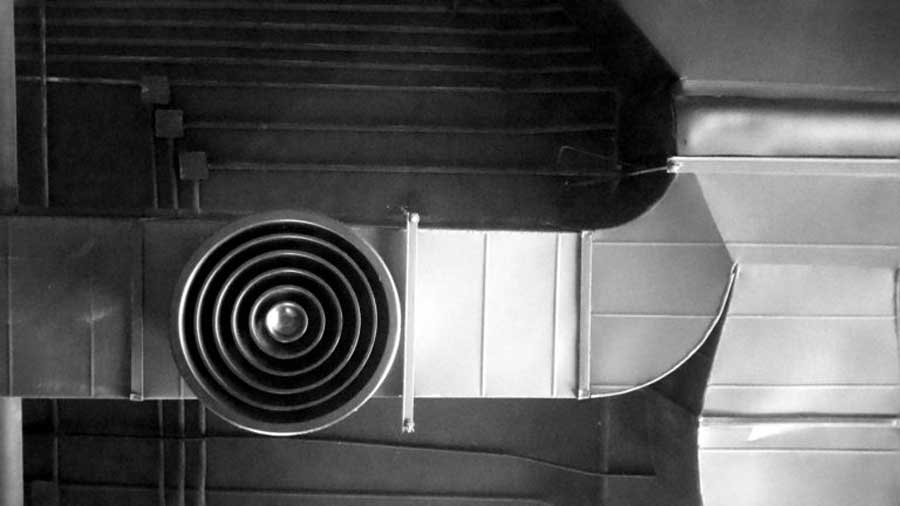
Sick Building Syndrome, often shortened to SBS, is a term used when people experience symptoms such as headaches, fatigue, eye irritation, throat irritation, coughing, dizziness, or difficulty concentrating while spending time inside a specific building. In many cases, symptoms improve after leaving the building or after time away from it.
In Canada, Sick Building Syndrome is usually discussed as part of a broader indoor air quality concern. Poor ventilation, moisture, mould, dust, chemical contaminants, odours, and poorly maintained HVAC systems can all contribute to indoor environments that feel uncomfortable or unhealthy.
Professional duct cleaning cannot diagnose or cure Sick Building Syndrome. However, when air ducts contain visible dust, debris, mould concerns, pest debris, renovation dust, or airflow restrictions, duct cleaning may be one useful part of a larger indoor air quality maintenance plan.
Quick Answer: Can Duct Cleaning Help With Sick Building Syndrome?
Duct cleaning may help with Sick Building Syndrome concerns when the duct system contains dust, debris, odours, visible contamination, or particles that are being circulated through the building. However, Sick Building Syndrome can have many causes, including poor ventilation, moisture, mould, VOCs, cleaning chemicals, office equipment, and building materials. Duct cleaning should be considered one part of a broader indoor air quality strategy, not a complete solution by itself.
| Possible SBS Factor | How It Affects Indoor Air | Can Duct Cleaning Help? |
|---|---|---|
| Dust and debris in ducts | Particles may circulate when HVAC runs | Yes, if buildup is present |
| Poor ventilation | Fresh outdoor air may be limited | No, ventilation must be assessed separately |
| Mould or moisture issues | Can affect air quality and odours | Sometimes, but moisture source must be fixed first |
| VOCs and chemical odours | May come from products, materials, or equipment | Usually not enough by itself |
| Dirty HVAC components | May spread dust or odours through the system | Yes, if cleaning includes relevant system components |
| Pest debris in ductwork | Can create odours and contamination concerns | Yes, after pest issue is resolved |
What Is Sick Building Syndrome?
Sick Building Syndrome describes a pattern where occupants experience symptoms associated with time spent in a particular building, but the symptoms are not easily linked to one specific diagnosed illness. This is different from some building-related illnesses where a clear medical or environmental cause may be identified.
In practical terms, people may feel worse while inside a building and better after leaving it. This pattern is often discussed in workplaces, schools, offices, and modern tightly sealed buildings, but indoor air quality concerns can also occur in homes.
The Canadian Centre for Occupational Health and Safety explains that indoor air quality issues can involve many interacting factors, including building materials, furnishings, activities inside the building, climate, and building occupants. That means SBS concerns usually require a broad look at the whole indoor environment, not just one component.
Common Symptoms Associated With Sick Building Syndrome
Symptoms linked to Sick Building Syndrome can vary from person to person. They may also overlap with allergies, respiratory issues, seasonal illnesses, stress, poor sleep, or other health conditions.
Commonly reported symptoms include:
- headaches;
- fatigue or low energy;
- difficulty concentrating;
- dry or irritated eyes;
- dry throat or throat irritation;
- coughing;
- sinus congestion;
- dizziness or nausea;
- dry or itchy skin;
- symptoms that improve after leaving the building.
If symptoms are serious, persistent, or affecting daily life, they should be discussed with a qualified healthcare professional. Indoor air quality improvements may help comfort, but they should not replace medical advice.
Why Sick Building Syndrome Happens
Sick Building Syndrome usually does not have one simple cause. It often develops when several indoor air quality problems overlap. A building may have poor ventilation, moisture problems, dust buildup, chemical odours, dirty HVAC components, or contaminants from indoor activities.
Common contributing factors include:
- inadequate ventilation or lack of fresh outdoor air;
- poorly maintained HVAC systems;
- dust, debris, and particles inside ductwork;
- mould or moisture problems;
- volatile organic compounds, also known as VOCs;
- cleaning products, fragrances, paints, adhesives, or furnishings;
- office equipment, printers, and other sources of particles or odours;
- pest activity or biological contaminants;
- temperature and humidity problems.
Why SBS Is Often Discussed in Canadian Buildings
Canadian homes and workplaces are often built to hold heat during colder months. This can be good for energy efficiency, but tightly sealed buildings also depend on proper ventilation and HVAC maintenance to keep indoor air fresh.
When ventilation is poor or air is repeatedly recirculated without proper filtration and maintenance, contaminants can build up indoors. This is one reason SBS is often discussed in offices, commercial buildings, schools, and homes where people spend many hours each day.
The Role of HVAC Systems in Sick Building Syndrome
The HVAC system plays an important role in indoor air quality because it moves air through the building. If the system is clean, maintained, properly filtered, and operating correctly, it can support comfort and airflow. If it is neglected, it can become part of the problem.
This is especially important in buildings that rely on forced air heating and cooling systems, because the ductwork becomes the main pathway for moving heated or cooled air throughout the property.
HVAC-related concerns may include:
- dirty ducts or return air pathways;
- dusty or clogged filters;
- poor airflow from vents;
- dirty coils or blower components;
- moisture collecting in parts of the system;
- odours spreading when the system turns on;
- duct leaks or poorly balanced airflow.
Duct cleaning can help when the air delivery system contains dust, debris, or visible contamination. However, it does not replace HVAC repair, ventilation balancing, moisture control, or professional indoor air quality testing when those are needed.
How Duct Cleaning May Help
Duct cleaning may support indoor air quality by removing dust, debris, pet hair, renovation particles, and other buildup from the duct system. In buildings where the HVAC system has been circulating air through dirty ductwork, cleaning may reduce the amount of material sitting inside the air pathway.
If you want to understand the risks of neglecting duct maintenance in more detail, read our related guide: what happens if air ducts are not cleaned.
Duct cleaning may be especially helpful when:
- dust or debris is visible inside vents or returns;
- the building has recently been renovated;
- there are stale or musty odours when the HVAC system runs;
- there has been pest activity and the pest issue has already been resolved;
- occupants notice dust returning quickly after cleaning;
- the ducts have not been cleaned for many years;
- airflow feels weak in several areas of the building.
The goal is not to claim that duct cleaning solves every SBS concern. The goal is to remove buildup from one major pathway through which indoor air moves.
When Duct Cleaning Alone Is Not Enough
Sick Building Syndrome concerns may continue if the underlying causes are not corrected. Duct cleaning is useful only when duct contamination or buildup is part of the problem.
Duct cleaning alone will not solve issues such as:
- active water leaks;
- ongoing mould growth from moisture problems;
- inadequate fresh air ventilation;
- chemical exposure from paints, adhesives, fragrances, or cleaning products;
- carbon monoxide concerns;
- poor HVAC design or incorrect system sizing;
- high or low humidity problems;
- workplace exposure issues that require occupational health review.
If mould, chemical exposure, ventilation failure, or serious indoor air quality concerns are suspected, the building may need evaluation by qualified indoor air quality, HVAC, environmental, or health and safety professionals.
Sick Building Syndrome in Homes vs. Commercial Buildings
SBS is often discussed in office buildings, but similar indoor air quality concerns can also happen in residential properties. The main difference is scale. In a workplace, many employees may report similar symptoms. In a home, the pattern may involve family members feeling worse indoors, noticing odours, or experiencing discomfort when the HVAC system runs.
| Residential Homes | Commercial Buildings |
|---|---|
| Often affected by pets, renovations, dust, moisture, and HVAC maintenance | Often affected by ventilation rates, office equipment, cleaning products, occupancy, and HVAC maintenance |
| Symptoms may be noticed by one family or household | Patterns may be reported by multiple occupants or departments |
| Common signs include musty odours, dusty vents, weak airflow, and stale air | Common signs include complaints that improve after weekends, evenings, or time away |
| Duct cleaning may help when duct buildup is visible or suspected | Commercial duct cleaning services in Toronto may be part of a broader IAQ and building maintenance plan |
Cost of Sick Building Syndrome for Businesses
For commercial buildings, indoor air quality concerns can affect more than comfort. If employees feel unwell, tired, irritated, or distracted while inside the building, productivity, morale, attendance, and trust in the workplace can suffer.
Potential business costs may include:
- employee complaints and lost productivity;
- increased absenteeism;
- repeated maintenance calls;
- investigations into indoor air quality concerns;
- higher HVAC operating costs;
- tenant dissatisfaction in commercial properties;
- possible occupational health and safety concerns.
For offices, retail spaces, clinics, schools, and other commercial properties, commercial duct cleaning should be considered as part of a larger building maintenance and indoor air quality plan.
Indoor Air Quality Checklist for SBS Concerns
If you suspect Sick Building Syndrome or indoor air quality issues, start with a practical checklist before assuming one cause.
- Do symptoms improve when people leave the building?
- Do several people report similar symptoms in the same area?
- Are there musty, chemical, smoky, or stale odours?
- Is there visible dust or debris in vents and returns?
- Have filters been replaced regularly?
- Has there been recent renovation, painting, flooring, or construction work?
- Are there signs of moisture, leaks, condensation, or mould?
- Is fresh air ventilation working properly?
- Are humidity levels too high or too low?
- Has the HVAC system been inspected and maintained?
Related Home Ventilation Concerns
Indoor air quality is not limited to furnace ducts. Other ventilation systems in the home also need attention. For example, a clogged dryer vent can restrict airflow, trap heat and moisture, and create safety concerns. If your dryer is taking longer to dry or producing unusual odours, review our guide to dryer vent warning signs.
When to Call ComfortClean
If your home or commercial building has dusty vents, stale odours, post-renovation debris, weak airflow, pet-related buildup, or visible contamination inside the duct system, professional duct cleaning may help improve the condition of the air pathway.
ComfortClean provides professional duct cleaning services for homes and businesses in Toronto and the GTA. Our team helps remove dust, debris, and buildup from ductwork so the HVAC system is moving air through a cleaner duct pathway.
Before hiring any company, it is also worth understanding how to choose a reputable duct cleaning company and avoid low-quality offers that do not properly clean the full system.
For commercial properties, you may also want to review our commercial duct cleaning services in Toronto. For homeowners, our guide to air quality and health explains how airflow, dust, and indoor conditions may affect comfort.
Frequently Asked Questions About Sick Building Syndrome and Duct Cleaning
What is Sick Building Syndrome?
Sick Building Syndrome describes a situation where people experience symptoms such as headaches, fatigue, eye irritation, throat irritation, coughing, dizziness, or difficulty concentrating while spending time in a particular building, with symptoms often improving after leaving.
What causes Sick Building Syndrome?
Sick Building Syndrome may be linked to poor ventilation, dust, mould, moisture, VOCs, cleaning chemicals, office equipment, temperature or humidity problems, and poorly maintained HVAC systems.
Can dirty air ducts cause Sick Building Syndrome?
Dirty air ducts may contribute to indoor air quality concerns if they contain dust, debris, odours, visible contamination, or particles that are being circulated through the building. However, Sick Building Syndrome usually has multiple possible causes, so ducts should be considered one part of the investigation.
Can duct cleaning prevent Sick Building Syndrome?
Duct cleaning may help reduce dust and debris inside the air delivery system, but it cannot guarantee prevention of Sick Building Syndrome. Prevention usually requires proper ventilation, moisture control, HVAC maintenance, source control, filtration, and regular building cleaning.
What are common symptoms of Sick Building Syndrome?
Common symptoms include headaches, fatigue, difficulty concentrating, dry or irritated eyes, throat irritation, coughing, sinus congestion, dizziness, nausea, and symptoms that improve after leaving the building.
Is Sick Building Syndrome only a workplace problem?
No. Sick Building Syndrome is often discussed in offices and commercial buildings, but indoor air quality concerns can also happen in homes, schools, clinics, retail spaces, and other indoor environments.
When should a building be professionally assessed?
A professional assessment may be needed if symptoms affect multiple occupants, there are persistent odours, visible mould, moisture problems, suspected chemical exposure, ventilation concerns, or ongoing complaints that do not improve after basic maintenance.