
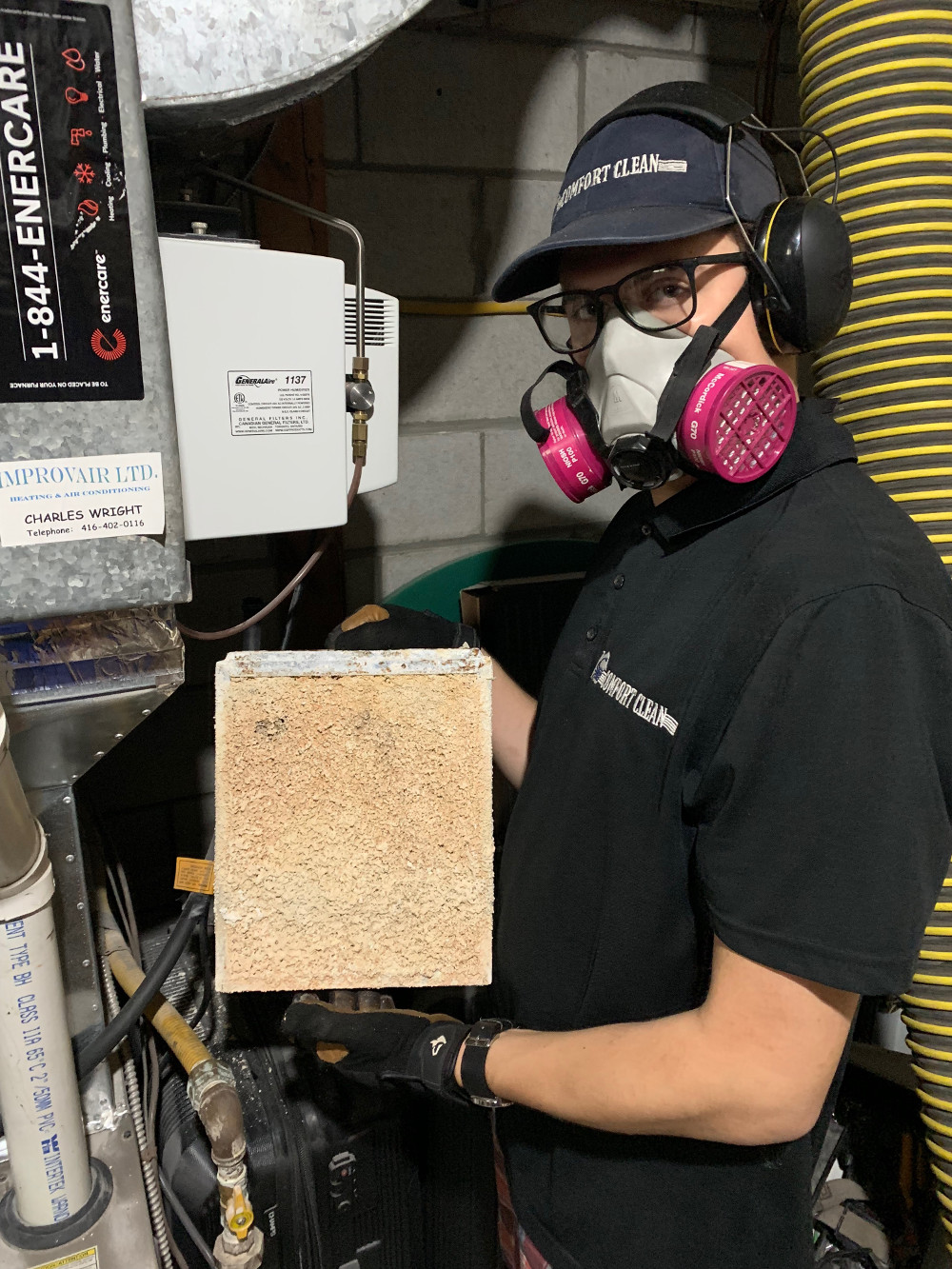
If you don’t clean your air ducts, dust, debris, pet dander, pollen, and other particles can build up inside the duct system over time. In some homes, dirty ducts may contribute to poor indoor air quality, stale odours, weaker airflow, higher energy use, and extra strain on the HVAC system.
Air ducts are easy to ignore because most of the system is hidden behind walls, ceilings, floors, or basement areas. The furnace or air conditioner may still run, but the air moving through the home may be passing through ductwork that has collected years of dust and debris.
This article explains what may happen when air ducts are neglected, what can collect inside them, how dirty ducts may affect comfort and indoor air quality, and when professional duct cleaning should be considered.
Quick Answer: What Happens If Air Ducts Are Not Cleaned?
When air ducts are not cleaned for a long time, contaminants can collect inside the ductwork and may be circulated through the home when the heating or cooling system runs. This can contribute to dust buildup, stale odours, reduced airflow, HVAC strain, and indoor air quality concerns, especially in homes with pets, renovations, moisture issues, or visible debris in vents.
| Possible Issue | What It Means | Why It Matters |
|---|---|---|
| Dust and debris buildup | Particles collect inside ducts and vents | May contribute to dustier indoor spaces |
| Pet dander and hair | Particles from pets enter the HVAC system | Can affect homes with allergy-sensitive occupants |
| Stale or musty odours | Odours may travel through the duct system | Can affect comfort and perceived air freshness |
| Reduced airflow | Debris or restrictions may limit air movement | Rooms may feel less comfortable |
| HVAC strain | The system may work harder to move air | May increase wear and energy use |
| Moisture-related buildup | Damp conditions may support mould or mildew concerns | Should be inspected and addressed properly |
What Can Be Lurking in Your Air Ducts?
Air ducts move heated and cooled air throughout the home. Over time, the same duct system can also collect particles from everyday living, pets, renovations, outdoor air, and normal household activity.
Common materials found in neglected ducts may include:
- household dust;
- pet hair and pet dander;
- pollen and outdoor particles;
- construction or renovation debris;
- lint and fibers;
- insect debris or signs of pests;
- odours from smoke, cooking, pets, or moisture;
- mould or mildew concerns if moisture is present.
Not every home has the same level of buildup. A newer, well-maintained home may have relatively clean ducts, while an older home, a renovated home, or a home with pets may have more visible dust and debris inside the system.
Dust and Debris Can Build Up Over Time
Dust is one of the most common materials found inside air ducts. Even if you clean your home regularly, small particles can still enter the HVAC system through return vents, gaps, filters, and normal air circulation.
When dust collects inside ducts, some of it may be disturbed when the furnace or air conditioner turns on. This can make the home feel dusty soon after cleaning, especially near vents, registers, and return grilles.
Visible dust blowing from vents, dark buildup around registers, or debris inside return vents can be signs that the duct system should be inspected.
Pet Dander, Hair, and Allergens May Circulate
Homes with pets often collect more hair, dander, and fine particles in the air system. Pet dander is lightweight and can travel through the home, especially when the HVAC fan is running.
For many families, this may simply mean more dusting and more frequent filter changes. For people who are sensitive to airborne particles, dirty ducts may make the indoor environment feel less comfortable.
Professional duct cleaning does not cure allergies or medical conditions. However, removing built-up dust, pet hair, and debris from ductwork may help reduce the amount of material sitting inside the air delivery system.
Moisture Can Create Mold and Mildew Concerns
Air ducts should normally stay dry. If moisture enters the duct system, it can create conditions where mold or mildew concerns may develop. This is more likely when there is condensation, water intrusion, poor drainage, high humidity, or an HVAC issue that needs repair.
Possible warning signs include:
- musty odors when the system turns on;
- visible dark spots around vents;
- condensation near ducts or registers;
- water damage near HVAC components;
- persistent humidity problems inside the home.
If mold is suspected, the source of moisture should be identified and corrected. Cleaning alone is not enough if the moisture problem continues.
Pests Can Leave Debris Inside Ductwork
In some homes, insects, rodents, or other pests may enter parts of the duct system. This can leave behind nesting materials, droppings, odors, or other debris.
If you suspect a pest issue, pest control should be handled first. After the pest problem is resolved, duct cleaning may be recommended to remove remaining debris from the air system.
How Dirty Air Ducts May Affect Indoor Air Quality
Indoor air quality depends on many factors, including ventilation, humidity, filtration, cleaning habits, pets, smoking, outdoor pollution, and HVAC maintenance. Dirty ducts are one part of that larger picture.
When ducts contain heavy dust or debris, the HVAC system may move some of those particles through the home. This may contribute to:
- dust collecting quickly after cleaning;
- stale or unpleasant odors when the system runs;
- visible particles near vents;
- air that feels less fresh indoors;
- more noticeable discomfort for allergy-sensitive occupants.
For homeowners who want to better understand the relationship between ventilation, particles, and indoor conditions, ComfortClean also has a guide about air quality and health.
Can Dirty Air Ducts Make You Sick?
Dirty air ducts alone should not be blamed for every health symptom. Many issues can affect breathing, allergies, fatigue, headaches, skin irritation, or sinus discomfort. Medical concerns should always be discussed with a qualified healthcare professional.
That said, ducts that contain heavy dust, visible mold, pest debris, or strong odors may contribute to an uncomfortable indoor environment. People with asthma, allergies, or respiratory sensitivities may notice poor indoor air conditions more quickly than others.
Air duct cleaning may help when there is visible contamination, excessive dust, debris, or odor inside the duct system. It should be viewed as part of home maintenance, not as a medical treatment.
Dirty Ducts Can Affect HVAC Efficiency
Your HVAC system depends on airflow. When ducts, vents, returns, filters, or blower components are dirty or restricted, the system may need to work harder to move air through the home.
This can contribute to:
- weaker airflow from vents;
- rooms that heat or cool unevenly;
- longer heating or cooling cycles;
- higher energy use;
- additional strain on HVAC components;
- reduced comfort during very hot or cold weather.
Duct cleaning does not fix every HVAC problem. Leaky ducts, poor system sizing, old equipment, blocked filters, or mechanical issues may also affect performance. However, cleaning the duct system can help when dust and debris are part of the airflow problem.
Unpleasant Odors May Travel Through the Duct System
If your home has stale, musty, smoky, or pet-related odors when the furnace or air conditioner runs, the duct system may be carrying those odors from one area to another.
Odor problems may come from many sources, including moisture, pets, old dust, pest activity, smoke residue, or HVAC components. If the odor appears mainly when the system turns on, the ducts and HVAC system should be inspected.
Signs Your Air Ducts May Need Cleaning
You may want to consider commercial duct cleaning if you notice one or more of the following signs:
- visible dust or debris inside supply vents or return vents;
- dust blowing from vents when the system starts;
- dark buildup around registers or vent covers;
- stale, musty, or unpleasant odors when the HVAC system runs;
- weak airflow from several vents;
- recent renovation or construction dust in the home;
- evidence of pests in or near the duct system;
- you recently moved into a home and do not know when ducts were last cleaned;
- pets in the home and heavy hair or dander buildup;
- visible mold-like growth around vents or HVAC components.
What Happens If You Keep Delaying Duct Cleaning?
Delaying duct cleaning does not always create an immediate problem. In some homes, ducts may remain reasonably clean for years. However, when there is visible buildup, odors, renovation dust, pest debris, or airflow restriction, ignoring the issue can allow the problem to get worse.
Over time, neglected ducts may contribute to:
- more dust circulating through the home;
- reduced air freshness;
- persistent odors;
- weaker HVAC airflow;
- higher strain on the heating and cooling system;
- more discomfort for people sensitive to dust or airborne particles.
How Often Should Air Ducts Be Cleaned?
There is no single cleaning schedule that fits every home. Some homes may need duct cleaning every few years, while others may need it sooner because of pets, renovations, moisture issues, heavy dust, or visible debris.
Air duct cleaning may be especially useful:
- after major home renovations;
- after moving into a previously owned home;
- after pest problems have been resolved;
- when visible dust and debris are inside the ducts;
- when musty odors come from vents;
- when the home has pets and frequent dust buildup;
- when airflow seems weaker than normal.
Filters should also be replaced regularly according to your HVAC system requirements. Filter maintenance and duct cleaning are related, but they are not the same thing.
Can You Clean Air Ducts Yourself?
Homeowners can clean vent covers, vacuum around registers, replace filters, and keep return vents free of dust and obstructions. These steps are useful for routine maintenance.
However, cleaning the full duct system is more difficult. Air ducts may run through walls, ceilings, basements, and hard-to-reach areas. Dust and debris can collect deep inside the system where a household vacuum cannot reach.
Professional duct cleaning uses specialized equipment designed to remove debris from the duct system more thoroughly than surface cleaning alone.
When to Call ComfortClean
If you see dust or debris inside vents, notice stale odors when the HVAC system runs, recently completed renovations, have pets, or do not know when your ducts were last cleaned, it may be time to schedule professional duct cleaning.
ComfortClean provides professional duct cleaning services for homeowners in Toronto and the GTA. Our team helps remove dust, debris, and buildup from the duct system so your home’s air pathway is cleaner and better maintained.
You may also find these related ComfortClean resources helpful:
- Air Quality and Health
- Pros and Cons of Forced Air Heating and Cooling Systems
- What Happens If You Don’t Clean Your Air Ducts?
Frequently Asked Questions About Dirty Air Ducts
What happens if you don’t clean your air ducts?
If air ducts are not cleaned for a long time, dust, debris, pet dander, odors, and other particles may collect inside the ductwork. In some homes, this may contribute to dustier air, stale odors, weaker airflow, and extra HVAC strain.
Can dirty air ducts affect indoor air quality?
Yes, dirty ducts may affect indoor air quality when dust, debris, odors, mold concerns, or pest-related materials are present inside the duct system. Indoor air quality also depends on ventilation, humidity, filtration, and other home conditions.
Can dirty air ducts increase energy bills?
Dirty or restricted ducts may contribute to reduced airflow, which can make the HVAC system work harder. Higher energy bills can also come from many other causes, including old equipment, leaky ducts, poor insulation, or dirty filters.
How do I know if my air ducts need cleaning?
Signs include visible dust or debris inside vents, dust blowing from registers, musty odors when the system runs, weak airflow, recent renovations, pest evidence, or heavy dust buildup in the home.
How often should air ducts be cleaned?
There is no one schedule for every home. Many homeowners consider duct cleaning every few years or sooner after renovations, pest issues, moving into a previously owned home, or noticing visible buildup, odors, or airflow concerns.
Is duct cleaning the same as changing the HVAC filter?
No. Changing the HVAC filter helps capture airborne particles before they enter the system, while duct cleaning removes dust and debris that has already collected inside the ductwork.
Can I clean air ducts myself?
You can clean vent covers, vacuum around registers, and replace filters yourself. However, cleaning the full duct system usually requires professional equipment because ducts run deep inside the home and are not fully reachable with household tools.