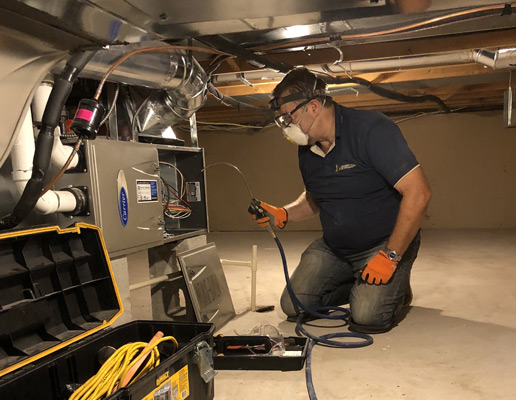
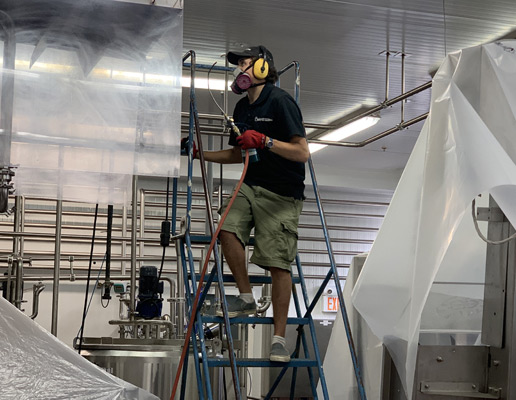
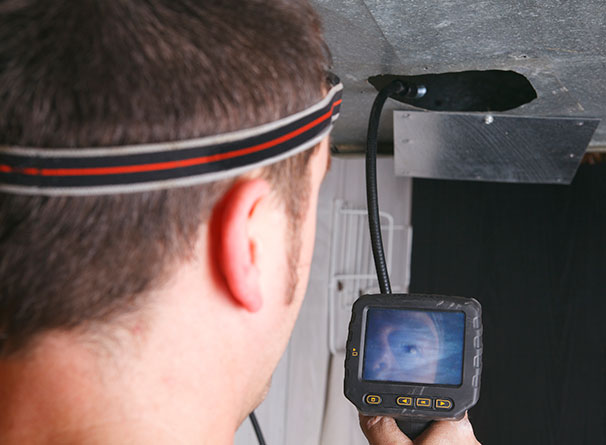
Furnace humidifier cleaning for bypass, fan-powered, drum and steam units across Toronto and the GTA
Scale, slime and musty smells cleared, added to your furnace and duct cleaning
Ontario Wildfire Smoke
May Still Be Inside Your Home





Furnace humidifier cleaning clears the mineral scale, slime and dust that build up in the humidifier mounted on your furnace ductwork, so it adds clean moisture to dry winter air instead of a musty smell. Comfort Clean cleans the housing, the water tray, the pad frame and the bypass duct, and tells you when the pad needs replacing.
It is one of the additional services you can add to a furnace and duct cleaning visit, priced by quote. We have been family run since 1980, and we clean: repairs, plumbing and wiring on a humidifier go to a licensed HVAC technician.
A furnace humidifier, also called a whole-house humidifier, is mounted on the supply or return ductwork beside the furnace. A small water line feeds it, a humidistat on the wall or the duct tells it when to run, and the furnace blower carries the moisture through the house.
There are three common types in GTA homes:
Older houses sometimes still have a drum humidifier: a rotating foam belt that dips into a tray of standing water. Drum units are the hardest to keep clean, because the water sits still between cycles.
Every litre of water a humidifier evaporates leaves its minerals behind. Tap water across the GTA carries enough calcium and other minerals to turn a soft pad into a stiff, crusty slab over a heating season, and to coat the distribution tray, the water outlet and the drain with white scale.
Scale is more than a looks problem. A crusted pad cannot soak up water evenly, so the humidifier puts out less moisture, more water runs straight to the drain, and blocked outlets can send water where it should not go.
Moisture plus dust is also what mould needs. Any humidifier that holds standing water, or a pad that stays damp in a warm, dark duct, can grow slime and mould. The usual suspects:
When a humidifier leaks into the plenum or the supply duct for months, rust and mould can spread into the ductwork itself. That is a moisture problem first. The leak has to be fixed before cleaning and air duct sanitizing of the affected ducts makes sense.
Most homeowners never look at the humidifier until something smells or drips. These are the signs we hear about most:
Some of these point past cleaning. A pad that never gets wet may mean a stuck solenoid valve or a closed water line, and water that never stops can mean a valve that will not shut. Those are parts, and they go to a licensed HVAC technician or a plumber. We will tell you, with photos, what we see.
Cold winter air holds very little moisture. Once it is heated to room temperature inside your house, its relative humidity drops sharply, which is why January in Toronto brings static shocks, dry skin, scratchy throats and gaps opening in hardwood floors. A working furnace humidifier puts some of that moisture back.
Too much is a problem as well. Moisture the house cannot hold ends up as condensation on the coldest surfaces: windows, the corners of outside walls, the attic. Streaming windows and dark spots in window corners are the signs to turn it down.
Most humidifier manuals and humidistats include a chart that lowers the setting as the outdoor temperature drops. Follow it, and turn the setting down further during a deep cold snap.
Homes with an air exchanger need both settings checked together, since the HRV removes moisture while the humidifier adds it. Our air exchanger and HRV cleaning page covers the HRV side.
We clean furnace humidifiers on the same visit as your furnace and ducts, with the same truck-mounted negative-pressure vacuum and brushing. On a typical bypass or fan-powered unit we:
On a drum humidifier we empty and clean the reservoir and the drum, and remove the scale and slime. On a steam humidifier we clean the housing and the area around it; whether the canister can be cleaned or has to be replaced depends on the model, and we tell you which.
We do not install, repair or replace humidifiers or their parts. Water valves, solenoids, wiring, humidistats and water lines are work for a licensed HVAC technician or plumber, and so is a new humidifier. When something is leaking or looks unsafe, we point it out and photograph it so you can show your technician.
The furnace side of the visit is explained on our furnace cleaning page.
The pad, also called the humidifier filter, water panel or evaporator pad, is the part that wears out. Most manufacturers call for a new one at least once a heating season, and sooner where scale builds fast. A pad cannot be cleaned back to new: once the minerals harden inside it, it stops soaking up water evenly.
When we clean the humidifier, we tell you whether the pad can stay for now or needs replacing, and show you the photos. We do not sell parts. The model number is printed on the humidifier housing or on the old pad, and matching pads are sold at hardware and HVAC supply stores. Many homeowners swap it themselves, since it usually slides in and out of a frame.
A pad is done when:
The foam belt on a drum humidifier wears out the same way and is replaced, not washed, once it hardens.
A furnace humidifier has no job in a humid Toronto summer, and leaving it on is how trays and pads end up growing slime. At the end of the heating season, usually when you switch the system over to cooling:
In the fall, before the heating season:
Late summer and early fall are also the best time to have the humidifier cleaned with the furnace and ducts, so the whole system starts the winter clean.
A humidifier sits right on the furnace ductwork, so cleaning it on the same visit as the ducts and the furnace makes sense. A scaled, slimy humidifier keeps putting a musty smell into freshly cleaned ducts, and a dusty plenum keeps dirtying a freshly cleaned humidifier.
Humidifier cleaning is an additional service, priced by quote. It is not part of any air duct cleaning package, and the price depends on the type of humidifier, its condition and how it is mounted. Tell us the type and roughly how old it is when you call, and we confirm the total by phone before we book.
Our posted duct cleaning packages are:
Every package includes before-and-after photos, extra vents are $12 each, and there is no trip fee inside our service area. The full breakdown is on our duct cleaning prices page.
Our office is at Bathurst and Finch in North York, just south of Steeles, and we clean furnaces, ducts and humidifiers across Toronto and the GTA. Call 905-738-1878, ideally in late summer or early fall, before the heating season fills the calendar.

With more than 45 years across Toronto and the GTA, our trained technicians have cleaned everything from older homes to new builds and commercial units. We know the work and treat every property with care.
We don’t use weak portable vacuums. Our high-suction, truck-mounted compression systems pull debris out of your home and into our truck, ensuring a mess-free, deep clean.
Clogged ducts make your HVAC system work harder, and the dust they circulate can bother people with asthma or allergies. A thorough cleaning restores proper airflow.
No hidden fees and no bait and switch. You will know the exact rate for your home or business across the GTA before we start, with the price posted up front.
Our reputation across the GTA is built on word of mouth. We treat your property with respect, use drop cloths and protective gear, and back every job with before-and-after photos.
Unnecessary services are never pushed. If your system is in good condition, we’ll tell you.
| Services | “Basic Package” $329 for up to 10 vents | “Comfort Package” $399 for up to 10 vents | “Luxury Package” $499 for up to 15 vents |
|---|---|---|---|
| $12.00 per each extra vent cleaned after the initial | |||
| “Basic Package” $329 for up to 10 vents | |||
|---|---|---|---|
| $12.00 per each extra vent cleaned after the initial | |||
| “Comfort Package” $399 for up to 10 vents |
|---|
| “Luxury Package” $499 for up to 15 vents |
|---|


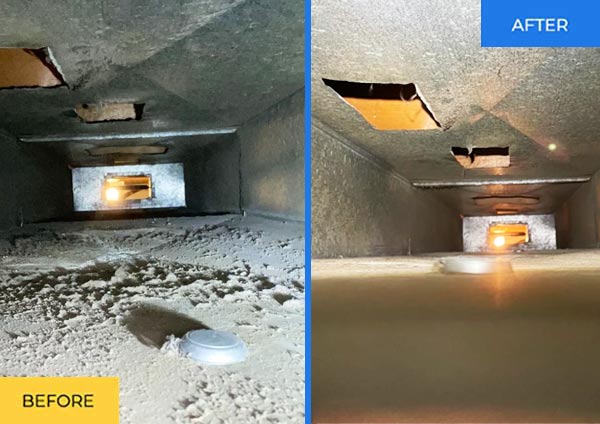
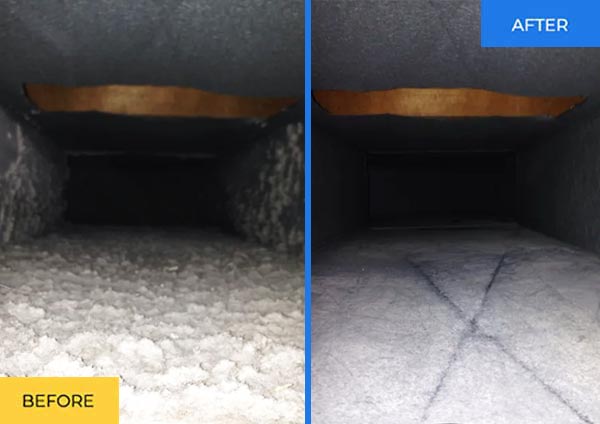
We clean furnace humidifiers in detached homes, semis and townhomes across Toronto and the GTA, on the same visit as the furnace and the ducts. Book in late summer or early fall and the whole system goes into the heating season clean.
Most manufacturers call for a new humidifier pad, often called the filter or water panel, at least once a heating season, and sooner where scale builds quickly. Fall is the natural time, before the heating season. A pad that is stiff, crusty, discoloured or smells musty is due now, whatever the calendar says. The model number on the housing tells you which pad to buy.
Mineral scale hardens the pad and clogs the tray and outlets, so the humidifier puts out less moisture and may leak or overflow. Standing water and damp pads can grow slime and mould, which the furnace blower then carries through the ducts as a musty smell. Over time a leaking humidifier can also rust the plenum and stain the ductwork below it.
It depends on the house. Bypass humidifiers are simple and the most common, fan-powered units put out more moisture and need no bypass duct, and steam humidifiers deliver the most and do not depend on warm furnace air, but cost more to run and maintain. We clean all of these but do not sell or install them, so a licensed HVAC contractor can help you choose.
Yes. Turn the humidistat off, close the water supply valve and, on a bypass unit, set the damper to the summer position. Take out the pad and let the housing dry so no water sits in it through the warm months. In the fall, put in a fresh pad if it is due, open the damper to winter and turn the water back on.
A musty smell usually means slime or mould on the pad, standing water in the tray or reservoir, or a clogged drain keeping the housing wet. Drum humidifiers and units left on through the summer are the usual suspects. Cleaning the housing and tray, replacing the pad and fixing the drain normally clears it. A leak into the ducts may call for duct cleaning as well.
No. We clean furnace humidifiers along with furnaces and ducts. We do not install, repair or replace humidifiers or parts such as water valves, solenoids, humidistats or wiring, and we do not sell pads. When we see a part that is failing or a leak, we photograph it and tell you, so a licensed HVAC technician or plumber can handle the repair.
You can do the basic care: turn off the water and power, slide out the pad, soak the tray and frame in white vinegar to loosen the scale, then rinse. Replace the pad rather than washing it. A deeper clean of the housing, the bypass duct and the ductwork around the humidifier is easier with our equipment, and anything involving the water valve or wiring belongs to a technician.
Humidifier cleaning is an additional service priced by quote, because it depends on the type of humidifier, its condition and how it is mounted. It is not part of any of our duct cleaning packages, but it can be added to a furnace and duct cleaning visit so it is done in the same appointment. Tell us the type and age when you call, and we confirm the total before booking.
See recent Google reviews from customers who chose Comfort Clean across Toronto and the GTA.