
Indoor air quality can affect everyday comfort because airborne particles such as dust, allergens, and other contaminants tend to accumulate and circulate in enclosed spaces. HVAC systems move air throughout a home or building, which can redistribute what settles inside ductwork over time. Professional air duct cleaning helps remove built-up debris from accessible HVAC components and may support cleaner air circulation as part of an overall indoor air quality strategy.
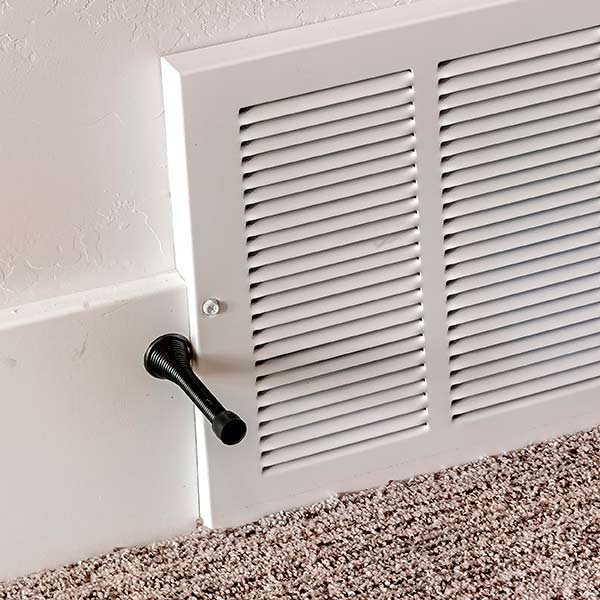
Excess moisture inside ductwork or HVAC components can create conditions for mold growth and unpleasant odors, which may affect air freshness and overall comfort.
Heating and cooling systems continuously move air through ducts, and over time debris can settle inside. Keeping these components clean helps support consistent airflow and better indoor air quality.
Dust, pollen, pet dander, and other fine particles can accumulate indoors and circulate through a home with normal air movement, contributing to allergies and respiratory discomfort.
Air duct cleaning plays a practical role in improving indoor air quality by addressing accumulated dust, debris, and other contaminants inside HVAC ductwork. As air continuously circulates through a forced-air system, particles that settle inside ducts can be redistributed throughout the space. Professional duct cleaning focuses on removing this buildup from accessible components, supporting cleaner airflow as part of an overall indoor air quality approach.
What air duct cleaning helps address:
Professional air duct cleaning focuses on the parts of a forced-air HVAC system that directly affect airflow and air circulation. The goal is to remove accumulated debris from accessible components without damaging the system.
Typically cleaned components include:
Not all HVAC systems are identical, and the exact scope of cleaning depends on system design, condition, and accessibility.
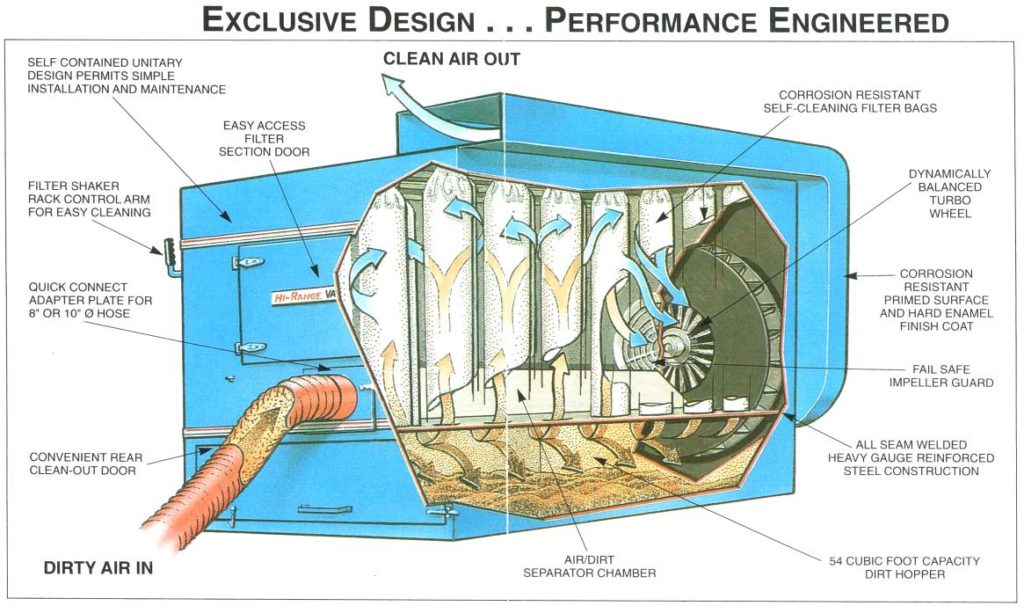
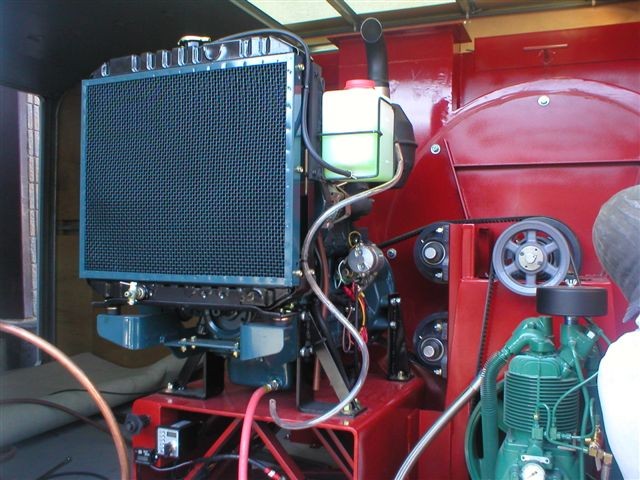
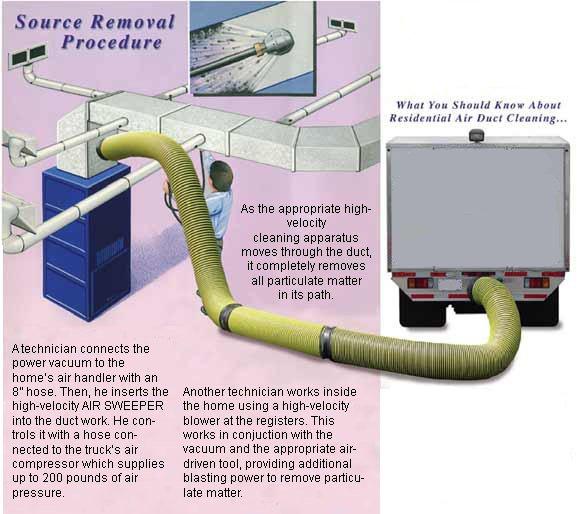
Effective air duct cleaning depends not only on technique, but also on the quality and capability of the equipment used. Professional-grade systems are designed to remove contaminants at the source while keeping dust contained within the HVAC system.
Comfort Clean uses specialized, industry-grade equipment engineered specifically for air duct and HVAC system cleaning. This allows for controlled debris removal without spreading dust or disrupting normal airflow.
Our equipment is designed to:
Professional equipment ensures that cleaning is thorough, controlled, and suitable for both residential and commercial forced-air HVAC systems.
Most homes benefit from professional air duct cleaning every few years, depending on usage, occupancy, and indoor conditions. Cleaning frequency can vary based on lifestyle and environmental factors.
More frequent cleaning may be recommended if:
Air duct cleaning is most effective when viewed as one component of an overall indoor air quality approach. Clean ducts support better air circulation, but long-term comfort and air quality also depend on other everyday factors inside the home.
A balanced indoor air quality strategy includes:
Indoor air quality is influenced by airborne particles, moisture, ventilation, and how air circulates through the HVAC system. Dust, allergens, and debris can accumulate over time and be redistributed throughout living spaces.
Air duct cleaning can support cleaner airflow by removing accumulated dust and debris from HVAC components. It is most effective when combined with proper filtration, ventilation, and regular system maintenance.
As air circulates through a forced-air HVAC system, particles can settle inside ducts, especially in areas with restricted airflow, older systems, renovations, or inadequate filtration.
No. Air duct cleaning addresses contaminants inside accessible HVAC components, but indoor air quality also depends on factors such as outdoor air, humidity control, cleaning habits, and filtration efficiency.
Air duct cleaning may be worth considering if there is visible dust buildup, airflow concerns, recent renovations, or ongoing indoor air quality issues. A professional assessment can help determine whether cleaning is appropriate.
Indoor air quality recommendations and duct cleaning practices are supported by guidelines and research published by recognized public health and industry organizations.