
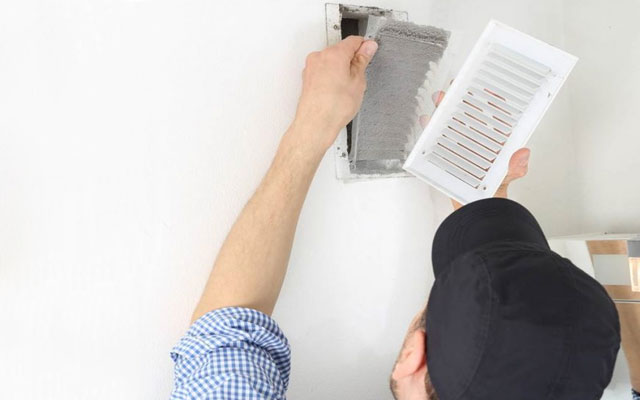
Attic insulation removal may be necessary when insulation is old, damaged, contaminated, wet, mouldy, pest-infested, or no longer performing properly. In Toronto and the GTA, attics deal with cold winters, humid summers, roof leaks, condensation, wildlife activity, and older building materials, all of which can affect insulation over time.
Old insulation is not always a problem. If it is dry, clean, properly installed, and still performing well, it may not need to be removed. However, when insulation becomes contaminated or damaged, leaving it in place can affect indoor comfort, odours, air quality, energy efficiency, and future renovation work.
This guide explains why attic insulation removal may be needed, when replacement makes sense, what risks homeowners should consider, and why professional removal is usually safer than a DIY approach.
Quick Answer: Why Is Attic Insulation Removal Necessary?
Attic insulation removal is necessary when insulation has been affected by moisture, mould, pests, smoke, odours, renovation debris, or age-related deterioration. Removing damaged insulation helps prepare the attic for proper cleanup, air sealing, ventilation corrections, and new insulation that can better support comfort and energy efficiency.
| Reason for Removal | What It Means | Why It Matters |
|---|---|---|
| Moisture damage | Insulation becomes wet or compressed | Can reduce performance and contribute to mould concerns |
| Pest contamination | Animals leave droppings, nesting material, or odours | Creates sanitation and indoor air quality concerns |
| Mould or mildew | Moisture supports biological growth | The moisture source must be fixed before reinstalling insulation |
| Old or degraded insulation | Material settles, breaks down, or loses performance | Can affect comfort and heating/cooling efficiency |
| Renovation work | Old insulation blocks access or spreads dust | Removal creates a cleaner workspace |
| Odours | Insulation holds smoke, animal, or musty smells | Odours can spread into living areas |
Why Attic Insulation Matters in Toronto Homes
Toronto homes rely on attic insulation to help separate the heated or cooled living space from outdoor temperature extremes. In winter, insulation helps reduce heat loss through the attic. In summer, it helps limit heat transfer from the roof into the rooms below.
When attic insulation is damaged, compressed, wet, contaminated, or poorly installed, the home may feel less comfortable. The HVAC system may also need to work harder to maintain stable temperatures, especially in homes that use forced air heating and cooling systems.
Insulation removal becomes important when the existing material is no longer helping the home and may be contributing to other problems.
1. Moisture Damage and Mould Concerns
Moisture is one of the most common reasons attic insulation needs to be removed. Water can enter the attic through roof leaks, poor ventilation, condensation, ice damming, bathroom fan issues, or gaps that allow warm indoor air to reach cold attic surfaces.
Wet insulation can lose effectiveness, become compressed, and hold moisture against wood framing or drywall. If moisture remains, mould and mildew concerns may develop.
Possible warning signs include:
- musty odours near the attic or upper floor;
- visible dark staining on insulation or wood surfaces;
- water stains on ceilings;
- condensation or frost in the attic;
- insulation that feels damp, matted, or heavy;
- recurring humidity problems in the home.
If mould is suspected, the source of moisture must be corrected before new insulation is installed. Removing insulation without fixing the moisture problem can allow the same issue to return.
2. Animal Infestation and Contamination
Birds, squirrels, mice, raccoons, and other animals can enter attics through roof gaps, soffits, vents, damaged fascia, or other openings. Once inside, they can damage insulation and leave behind droppings, urine, nesting materials, food debris, and odours.
Contaminated insulation can become a sanitation issue and may affect the smell and cleanliness of the attic. In some cases, particles and odours can move into living areas through air gaps, ceiling penetrations, or HVAC pathways.
Before insulation removal, the wildlife or pest issue should be handled by a qualified pest control professional. After the animals are removed and entry points are sealed, the contaminated insulation can be removed and the attic can be prepared for cleanup and replacement.
3. Old Insulation Can Lose Performance
Insulation can settle, compress, shift, or degrade over time. When this happens, it may no longer provide the thermal protection the home needs.
Older insulation may also be uneven. Some areas of the attic may have too little coverage, while other areas may be disturbed by past repairs, renovations, electrical work, or pest activity.
Signs that old insulation may no longer be performing well include:
- rooms below the attic feel too hot in summer or too cold in winter;
- heating and cooling costs seem unusually high;
- insulation appears flattened or uneven;
- the attic has visible gaps in coverage;
- the home has never had insulation upgraded;
- past leaks or repairs disturbed the insulation.
In some cases, adding insulation may be enough. In other cases, removal is better because the existing insulation is contaminated, damaged, or blocking proper air sealing work.
4. Renovation or Construction Work
Attic insulation removal may be needed before renovation or construction work. This is especially true when contractors need access to wiring, framing, ceiling areas, ventilation paths, recessed lights, bathroom fan ducting, or attic floor sections.
Removing old insulation before renovation work can help reduce dust, improve visibility, and allow the attic to be cleaned and inspected properly.
This can be useful when:
- converting attic space;
- repairing ceilings or drywall;
- upgrading electrical wiring;
- fixing attic ventilation;
- installing new bathroom fan ducts;
- repairing roof leaks from inside the attic;
- performing air sealing before adding new insulation.
5. Dust, Allergens, and Indoor Air Quality Concerns
Old attic insulation can hold dust, fibres, pest debris, mould-related particles, construction dust, and odours. Not every attic affects indoor air, but gaps between the attic and living space can allow particles or smells to move downward.
This is especially relevant in homes with ceiling penetrations, recessed lights, plumbing chases, attic hatches, or poorly sealed ductwork.
Indoor air quality is affected by many factors, including ventilation, humidity, filtration, dust sources, and HVAC maintenance. If your concern is broader than attic insulation, our guide to air quality and health explains how airflow and indoor conditions may affect comfort in the home.
6. Odours Trapped in Attic Insulation
Insulation can absorb and hold odours from pests, smoke, moisture, mould, mildew, or long-term contamination. If the attic smells musty, sour, smoky, or animal-like, the odour may not disappear until the damaged material is removed.
Odour issues are often strongest when the attic is warm or when air pressure changes move attic air toward living spaces. Removing contaminated insulation can be an important step, but the source of the odour must also be addressed.
7. Hazardous or Older Materials
Some older homes may contain insulation materials or attic debris that require special care. Homeowners should be cautious with unknown insulation, old vermiculite insulation, asbestos concerns, animal-contaminated materials, or insulation affected by mould or water damage.
If there is any concern about asbestos or hazardous material, do not disturb the insulation. The material should be assessed by qualified professionals before removal.
DIY removal can create airborne dust and expose the home to materials that should have been contained. Professional assessment is especially important in older Toronto homes where the attic history is unknown.
Why DIY Attic Insulation Removal Can Be Risky
Attic insulation removal may look simple, but it can be physically difficult, dusty, and hazardous. Attics are often tight, poorly lit, hot or cold, and full of hidden risks such as exposed nails, electrical wiring, weak ceiling areas, pest debris, or contaminated materials.
DIY removal can create problems such as:
- spreading dust and fibres into living areas;
- stepping through ceiling drywall;
- disturbing mould, pest droppings, or hazardous materials;
- missing insulation hidden in corners and tight spaces;
- bagging and disposing of material incorrectly;
- failing to identify moisture or ventilation problems;
- leaving the attic unprepared for new insulation.
Professional removal is usually safer and more thorough because the work is done with appropriate containment, equipment, disposal procedures, and cleanup methods.
Professional Attic Insulation Removal Process
The exact process depends on the home, the insulation type, the level of contamination, and the attic layout. In general, professional attic insulation removal includes inspection, preparation, extraction, cleanup, and final review.
Inspection and Planning
The attic should be inspected before removal begins. The team looks for moisture, pest evidence, mould concerns, damaged materials, ventilation problems, access limitations, and areas where insulation may be difficult to reach.
This step helps determine whether insulation should be removed completely, partially removed, or handled with special precautions.
High-Powered Vacuum Extraction
Professional teams often use high-powered vacuum equipment to remove loose-fill insulation safely and efficiently. A hose can be routed through a window, door, or exterior access point to help limit dust movement through the living space.
Vacuum extraction helps remove insulation from the attic floor, corners, and hard-to-reach areas more efficiently than manual bagging alone.
Manual Cleanup and Detail Work
After the main insulation is removed, remaining pieces may need to be collected by hand. Corners, edges, attic hatches, around joists, and areas near mechanical components may require detailed cleanup.
The goal is to leave the attic ready for the next step, whether that is sanitation, air sealing, repairs, ventilation work, or new insulation installation.
Disposal and Final Review
Removed insulation should be bagged, contained, and disposed of according to appropriate local requirements and material conditions. The attic should then be reviewed to confirm that the affected insulation has been removed and that no major areas were missed.
What Should Happen Before New Insulation Is Installed?
Removing old insulation is only one part of the project. Before installing new insulation, the attic should be checked for problems that could damage the replacement material.
Important steps may include:
- fixing roof leaks;
- correcting bathroom fan exhaust issues;
- sealing pest entry points;
- addressing mould or moisture concerns;
- improving attic ventilation where needed;
- air sealing gaps between the attic and living space;
- cleaning remaining dust or debris;
- checking that electrical and mechanical work is safe and accessible.
New insulation should not be installed over unresolved moisture, pest, or contamination problems.
Attic Insulation Removal and HVAC Airflow
Attic insulation is separate from duct cleaning, but both can affect home comfort. Insulation helps reduce heat transfer, while ductwork moves heated or cooled air through the home.
If old attic insulation is removed because of dust, mould, pests, or renovation work, it may also be a good time to think about the home’s airflow pathways. In forced air homes, dust and debris can also collect inside ductwork over time.
To understand this connection, read our related guide on what happens if you don’t clean your air ducts.
When Attic Problems Affect Indoor Air Quality
Attic issues can sometimes show up as indoor comfort or air quality complaints. This may happen when attic air, dust, odours, or moisture-related particles move through gaps into the living space.
Possible signs include:
- musty odours on the upper floor;
- dust returning quickly after cleaning;
- stale air when the HVAC system runs;
- visible dust around ceiling fixtures or attic access points;
- allergy-sensitive occupants feeling worse indoors;
- odours after pest activity in the attic.
If indoor air concerns are connected to HVAC ducts, you may also want to review our guide on whether air duct sanitizing is really necessary. Sanitizing is not needed for most homes, but it may be considered in specific contamination situations after proper cleaning.
How Often Should Attic Insulation Be Removed?
Attic insulation does not need to be removed on a regular yearly schedule. Removal is condition-based. If insulation is dry, clean, and performing properly, it may remain in place for many years.
Removal should be considered when there is:
- water damage;
- mould or mildew concerns;
- pest contamination;
- smoke or strong odours;
- renovation debris;
- major settling or deterioration;
- unknown or potentially hazardous material;
- a need for air sealing, repairs, or full insulation upgrade.
When to Call ComfortClean
If your attic insulation is old, damaged, wet, contaminated, dusty, or affected by pests, professional removal may be the safest way to prepare the attic for proper cleanup and replacement.
ComfortClean provides professional duct cleaning services for homeowners in Toronto and the GTA. If attic issues are connected to dusty vents, stale odours, weak HVAC airflow, or indoor air quality concerns, our team can also help assess whether duct cleaning may be useful as part of broader home maintenance.
Before hiring any home cleaning company, it is also worth understanding how to choose a reputable duct cleaning company and avoid low-quality offers that do not properly address the full system.
Related ComfortClean Resources
If you are researching attic insulation removal, airflow, duct cleaning, or indoor air quality, these related ComfortClean guides may also be helpful:
Frequently Asked Questions About Attic Insulation Removal
Why is attic insulation removal necessary?
Attic insulation removal is necessary when insulation is wet, mouldy, pest-contaminated, smoke-damaged, degraded, or no longer performing properly. It may also be needed before renovations, air sealing, repairs, or insulation upgrades.
Is attic insulation removal needed in every home?
No. If attic insulation is dry, clean, evenly installed, and still performing well, removal may not be necessary. Removal should be based on the condition of the insulation and the attic, not on a fixed schedule.
Can old attic insulation affect indoor air quality?
Old or contaminated attic insulation may affect indoor air quality if dust, odours, moisture-related particles, or pest debris move from the attic into the living space. Indoor air quality also depends on ventilation, humidity, HVAC maintenance, filtration, and other factors.
Can I remove attic insulation myself?
DIY attic insulation removal is risky because it can spread dust, fibres, mould-related particles, pest debris, or hazardous materials into the home. Attics also have safety hazards such as weak ceiling areas, wiring, nails, and limited access.
Should wet insulation always be removed?
Wet insulation often needs to be removed because it can lose performance, hold moisture, and contribute to mould or odour concerns. The source of the water or condensation must be fixed before new insulation is installed.
What should be done before new insulation is installed?
Before new insulation is installed, roof leaks, pest entry points, moisture problems, ventilation issues, and air leaks should be addressed. Installing new insulation over unresolved problems can cause the same issues to return.
Does attic insulation removal help lower energy bills?
Removing old insulation alone does not lower energy bills. The benefit usually comes from replacing damaged or underperforming insulation with properly installed new insulation, along with air sealing and ventilation improvements where needed.